
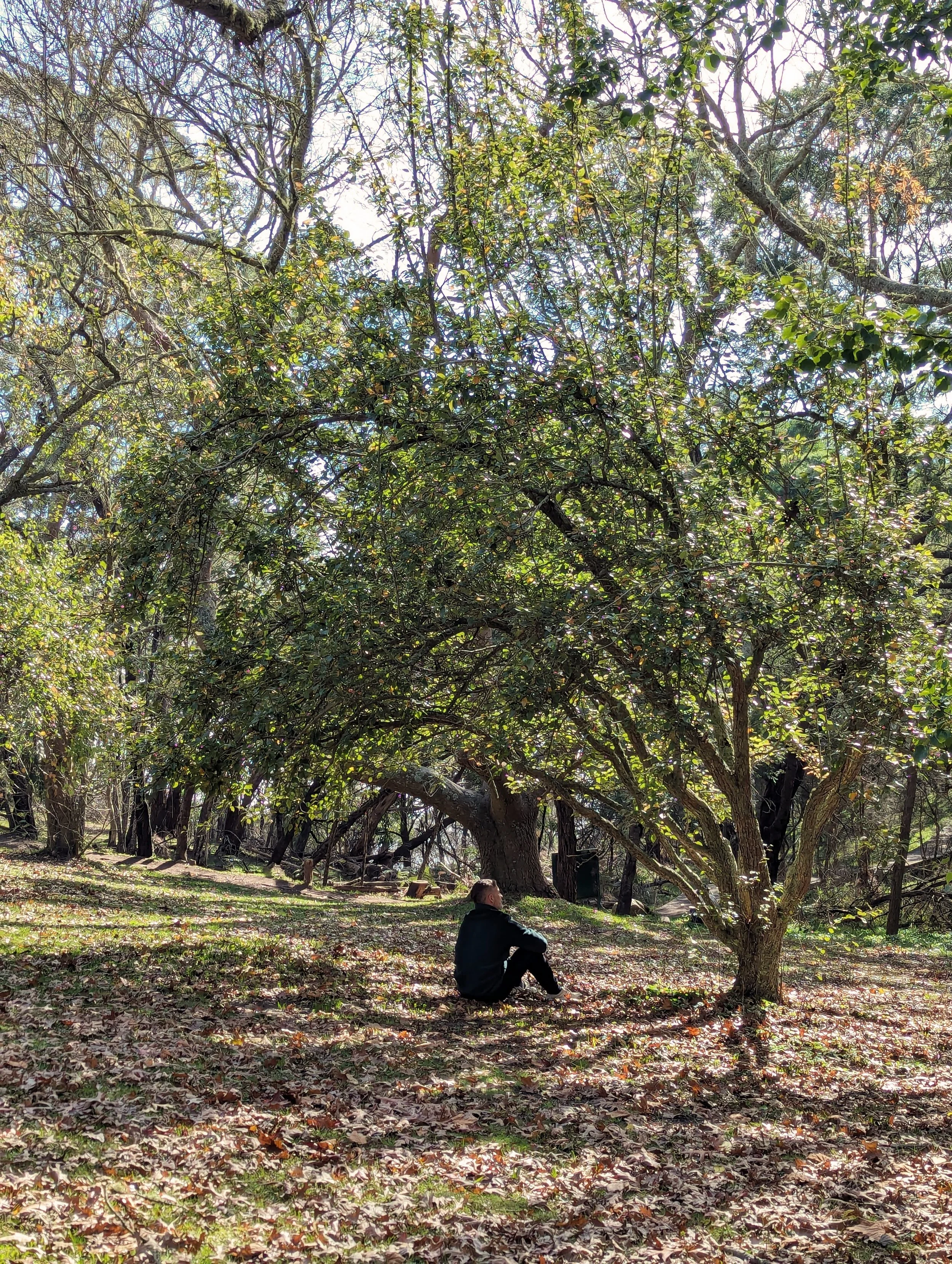
What is Forest Therapy?
Forest Therapy is the practice of slowing down and immersing yourself in nature. As you wander through the forest, you'll awaken your senses to the sights, sounds and scents of the forest. Leaving you feeling calm, relaxed and de-stressed.
Forest Therapy comes from the Japanese practice Shinrin-yoku, which translates to “Forest Bathing." Originally introduced as a public health initiative by the Japanese government to combat the rising rates of stress-related illness in the population moving from rural to city centres. There are now over 60 Forest Therapy Centres in Japan.
On a Forest Therapy walk, the forest is the therapist, and you can expect to move slowly through the landscape, covering around 1–1.5 km over 2–3 hours. Much slower than your typical bushwalk. Your guide offers a series of gentle invitations to help tune your senses to the sights, sounds and scents of the forest.
After a walk, participants often feel calmer and more connected to nature. Many report feeling less anxious and stressed, and more content, peaceful and refreshed.
Professor Yoshifumi Miyazaki began researching Forest Therapy in the 1990s and summed it up beautifully when he said,
"It is clear our bodies still recognize nature as our home."
There are now more than three decades of research demonstrating the benefits of Forest Therapy, and it is recognised as an evidence-based public health practice in countries including Japan, South Korea and China. It is also practised widely across Europe, the United States and Australia.
It is clear that our bodies still recognise nature as our home -Professor Yoshifumi Miyazaki
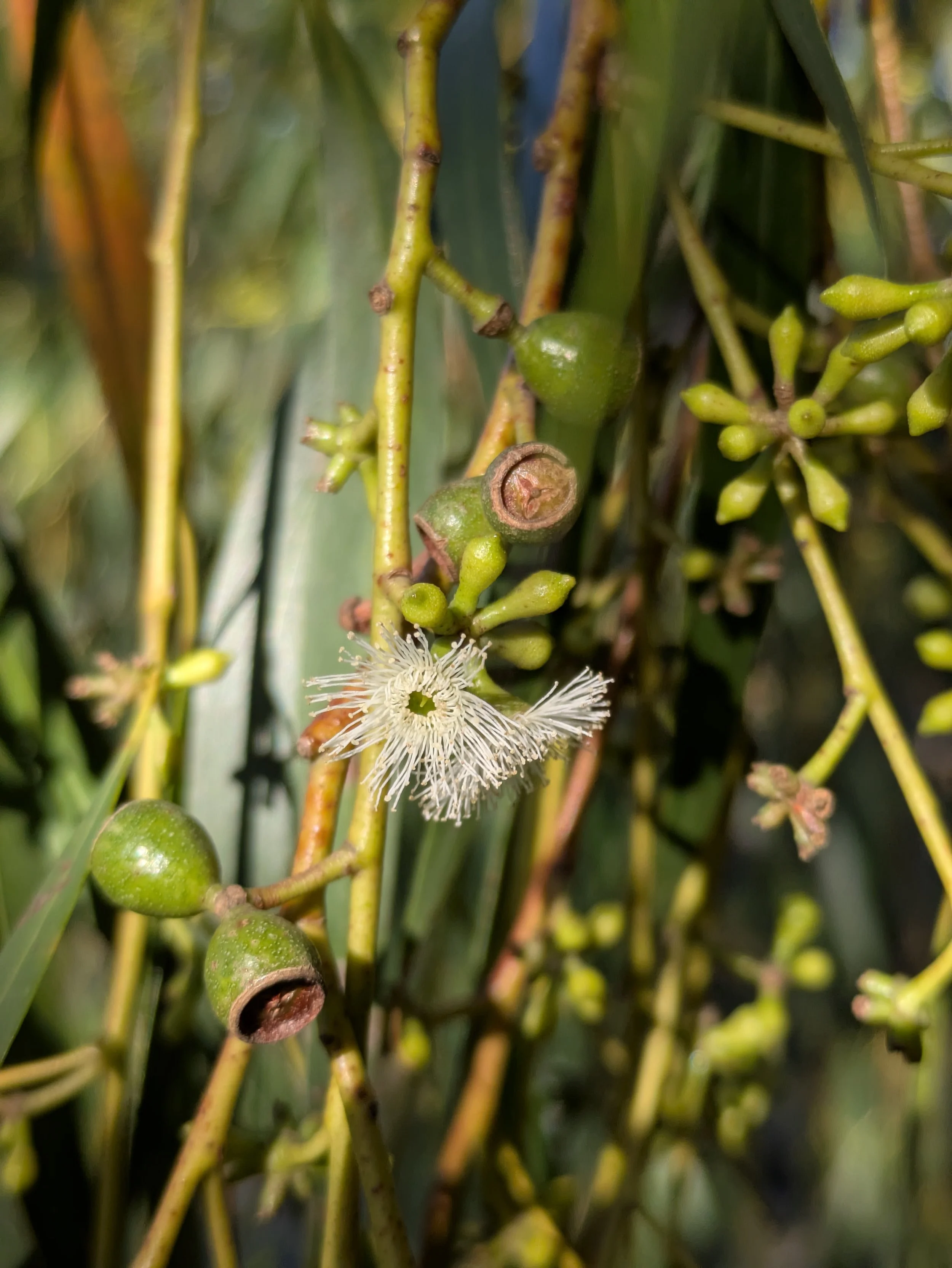
The Science Behind Forest Therapy
Forest Therapy is not simply a walk in nature - the practice is supported by a growing body of scientific research.
This research has shown our exposure to Phytoncides play a crucial role in the wellbeing effects of Forest Therapy. Phytoncides are airborne organic compounds released by trees which have anti-bacterial, anti-fungal, anti-microbial, anti-inflammatory and anti-viral effects.
When we inhale these Phytoncides we get a ‘surge’ in Natural Killer (NK) cells. These are white blood cells (lymphocytes) that form part of our immune system and can fight off abnormal cells, including cancer and tumor cells.
While slowing down in nature and engaging in mindful sensory activities activates the parasympathetic nervous system - our body's "rest and digest" state. This helps counter the stress-driven "fight-or-flight" response so prevalent in modern life.
Benefits include:
Reduction of cortisol (stress hormone)
Normalization of blood pressure and heart rate
Increased natural killer (NK) cell activity resulting in a boosted immunity
Improved mood and reduction in anxiety
Enhanced focus and concentration
Improved sleep quality
Research has shown some benefits can last for up to four weeks after just one Forest Therapy session.